Why Keeping Your Hardware Running is Suddenly the Smartest Move in IT
Something shifted in the hardware market, and if you haven’t noticed yet, your next IT budget will.
The global race to build AI infrastructure has quietly sent shockwaves through the components market. Memory chips, server parts, storage drives — prices are up, availability is down, and the forecast says it’s not going back to normal any time soon.
Here’s what’s happening, why it matters, and what you can do about it.
The AI Boom Has a Hardware Hangover
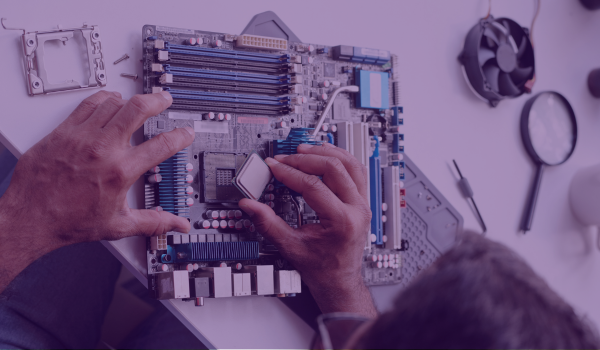
Every major technology company is building out AI data centres at breakneck speed. That takes an enormous amount of high-end memory, specifically high-bandwidth memory (HBM), which powers the GPU clusters that run large language models.
To keep up with that demand, memory manufacturers have shifted their production lines. The knock-on effect? The standard components used in everyday servers and workstations are now harder to get and significantly more expensive.
A 32GB server memory module that cost around £80 in 2025 now runs closer to £300. That’s not a temporary blip. Current industry forecasts suggest this pressure continues into 2027, with some analysts projecting it could extend to 2028 if the AI investment cycle doesn’t cool.
“A 32GB memory module that cost £80 in 2025 now runs closer to £300 — and analysts don’t expect relief until at least 2027.”
What This Means For Your IT Strategy
For practices running imaging and diagnostic equipment, the calculus has changed. Replacing a device that’s still functional is no longer just disruptive, it’s increasingly expensive, and lead times for new equipment are stretching.
The industry is already responding to this. The prevailing approach right now is to extend the life of existing hardware wherever it’s viable. That means maintaining, repairing, and protecting what you have rather than defaulting to replacement.
Repair or Replace? A Simple Rule of Thumb
Not every piece of kit is worth saving. Here’s how to think about it:
- Under 6 years old: repair and maintain. In the current market, the cost of replacement parts is still far lower than buying new, and the price gap is wider than it’s ever been.
- Over 6 years old: plan for replacement. At this age, the risk of compounding failures increases, and you’re likely to face escalating repair costs that exceed the value of the device.
For equipment in that middle ground, three to five years old, active maintenance cover can add years of useful life at a fraction of replacement cost.
The Hidden Cost People Overlook
When a device fails, the hardware cost is only part of the problem. In a clinical or diagnostic setting, downtime means missed appointments, disrupted workflows, and staff unable to do their jobs.
There’s also the software side to consider. Replacing a workstation or server isn’t just a hardware swap, it requires the right software to be reinstalled, configured, and tested before the device is usable again. Without that, you’re left with functioning hardware that isn’t actually ready to work.
This is why simply calling any IT provider for hardware repair isn’t always the fastest route back to normal.
Keep Your Equipment Protected
With hardware costs rising and supply remaining tight, having maintenance cover in place before something breaks is more valuable than ever.
We offer hardware maintenance service that is designed for any name-brand hardware. When something goes wrong, you’re not just getting the hardware fixed, you’re getting your software reinstalled too so you are back to fully operational as fast as possible.
Talk to your account manager to find out what cover makes sense for your setup.