QR Codes in Practice: Simple Digital Access Without Complexity
Digital journeys work best when they flex around real life. In UK dental practices, not every patient completes forms or tasks before they arrive. Some forget. Some struggle with technology at home. Others simply feel more comfortable doing things face to face. Digital access should support these patients, not exclude them.
That is where in-practice QR code access plays an important role. By offering a simple way to connect patients to their secure portal once they’ve arrived, practices can maintain efficiency without creating barriers.
Bridging the Gap Between Home and Practice
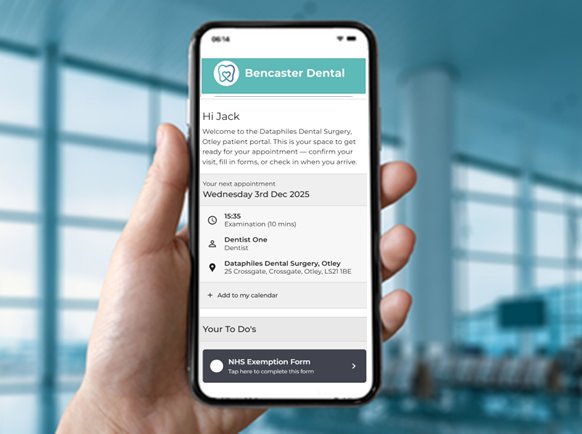
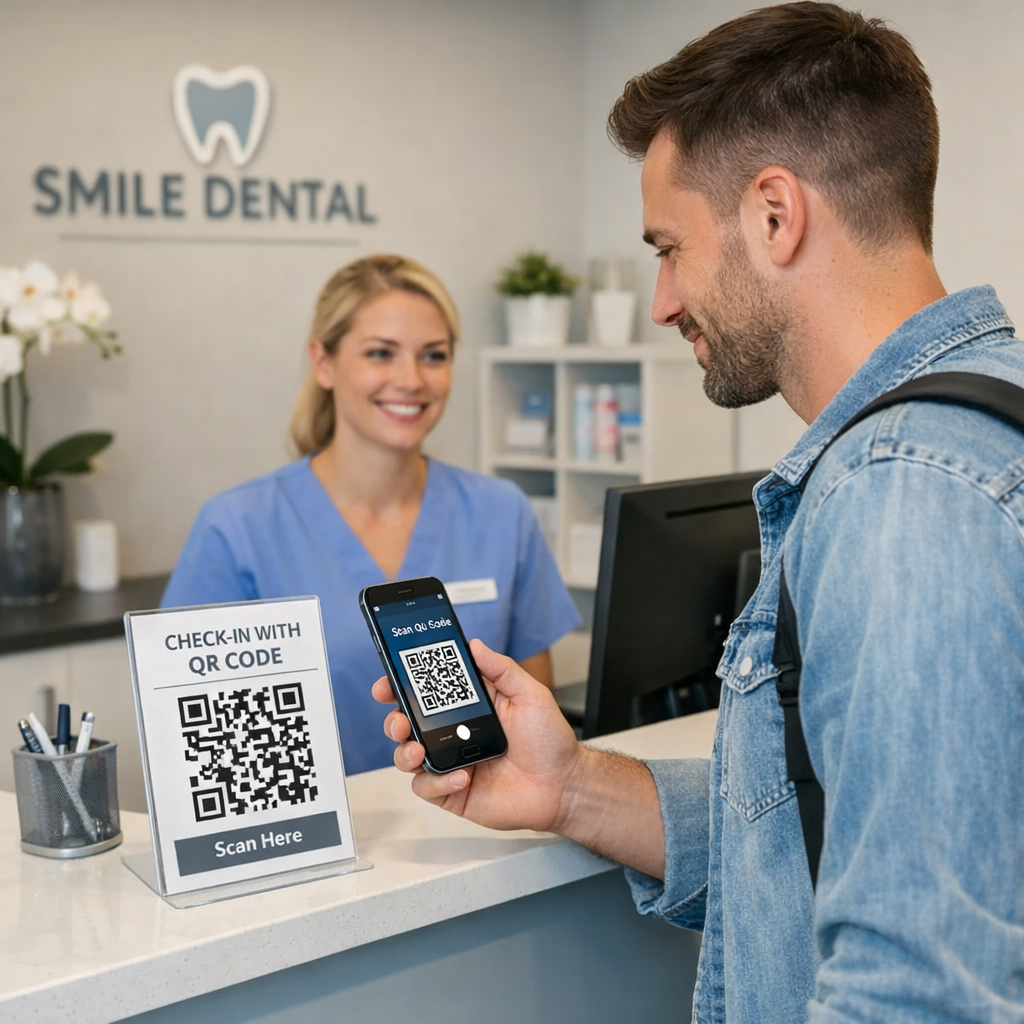
A QR code displayed at reception or on an iPad in the waiting area gives patients instant access to their secure patient portal. With a quick scan, they can open their digital journey without needing to remember passwords, search for emails, or navigate complex links.
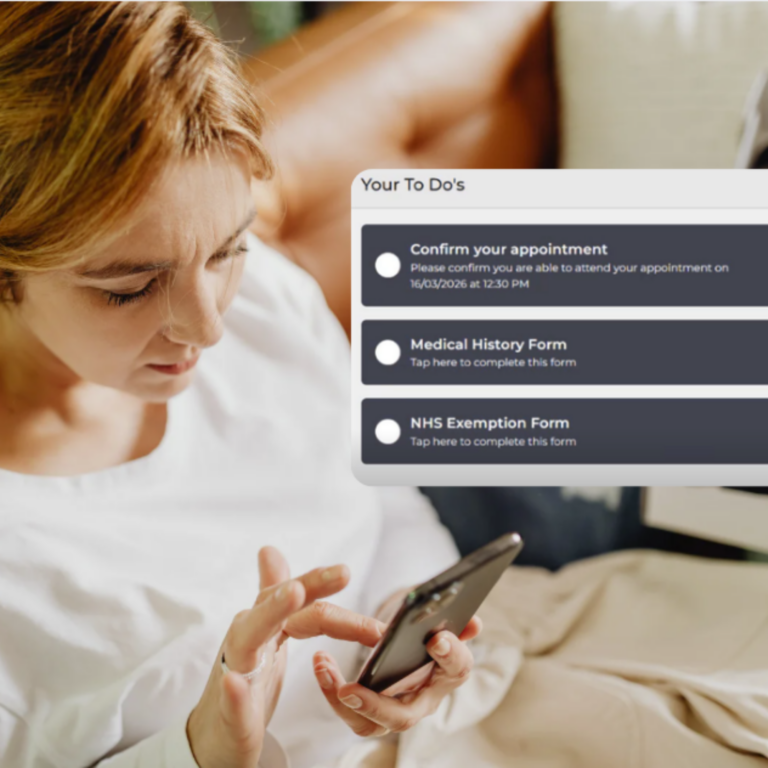
This is particularly valuable when pre-appointment tasks have not been completed in advance. Consent forms, medical history updates, and other requirements can still be completed calmly before the appointment begins. The process is guided, familiar, and already connected to their record.
For the practice, this removes the last-minute scramble at the front desk. Reception teams do not need to print forms, explain multiple steps, or jump between systems. The workflow remains digital but flexible.
Supporting Assisted Digital Journeys
Not every patient wants to use digital tools independently, and that is particularly true in healthcare settings. The QR code approach supports assisted digital journeys without judgement. Patients can be guided by a member of the reception team if needed or supported while using an iPad provided by the practice.
Instead of replacing human interaction, the QR code creates a shared starting point. Staff remain present and helpful while the system handles the structure and data capture. This makes the experience more inclusive and less intimidating for patients who lack confidence with technology.
For dental teams, this reduces interruptions caused by confusion or hesitation. Staff are not repeatedly explaining processes because the portal itself guides the patient step by step.
Digital Inclusion Without Added Complexity
Digital inclusion is about choice and simplicity, not forcing everyone down the same path. Healthcare QR codes offer a low friction way to include patients who may otherwise fall through the digital gap.
Patients do not need to download an app or create new accounts while waiting. They access the same secure portal used at home, but in an environment where support is available. This consistency builds trust and familiarity over time.
Importantly, this approach respects the realities of dental appointments. Patients may feel anxious, rushed, or unsure when they arrive. Providing a clear and simple digital entry point reduces stress and helps them feel prepared rather than pressured.
Reducing Pressure on Reception Teams
Reception desks are often the bottleneck in a busy dental practice. Questions about forms, missing information and next steps all compete for attention. QR code access shifts this pressure away from the desk.
Patients are guided to complete outstanding tasks themselves, at their own pace, using a structured and secure system. Receptionists are free to oversee rather than micromanage, stepping in only when personal support is required.
This balance protects staff time while maintaining a welcoming environment. The digital journey works quietly in the background, reducing chaos without removing care.
A Practical Step Towards Flexible Digital Care
Digital does not have to mean complex or exclusive. Small, thoughtful tools like QR code access can make a significant difference to both patient experience and practice efficiency.
By enabling secure patient portal access within the practice, dental teams support every patient, regardless of confidence or circumstance. The result is a calmer reception area, better prepared appointments, and a more inclusive approach to digital care.
To learn more about how flexibility supports better outcomes, explore our pillar article on One Portal, One Journey: How Patient Bridge is Unifying Patient Interactions and how unified digital journeys adapt to real world care.