Why Clear Digital Journeys Reduce Patient Anxiety Before Arrival
For many patients, anxiety doesn’t begin in the dental chair. It starts well before the appointment, often days in advance.
Uncertainty about what will happen, what needs to be done, or even where to go can significantly affect how patients feel about their visit. When instructions are unclear or scattered across multiple messages, patients arrive feeling stressed, unsettled, or unprepared. That anxiety doesn’t stay with the patient alone; it carries into the practice, affecting interactions, timing, and overall experience.
Clear digital journeys help break that cycle, replacing uncertainty with structure and confidence before the patient even arrives.
Anxiety Thrives on Uncertainty
Dental anxiety is widely acknowledged, but it isn’t always triggered by treatment itself. In many cases, it stems from the surrounding experience.
Common sources of pre‑appointment anxiety include:
- Not knowing what forms need to be completed
- Confusion around appointment timing or confirmation
- Uncertainty about arrival procedures
- Worry about discussing information at the reception desk
- Feeling rushed or unprepared on the day
When patients don’t know what to expect, they often assume the worst or arrive mentally overloaded before the appointment begins.
Fragmented Communication Adds to Stress
Practices often communicate well, but across multiple channels:
- One message for reminders
- Another for forms
- A separate instruction shared verbally or on arrival
While each message may be clear on its own, patients are left to connect the dots. For anxious or vulnerable patients, that cognitive load can be overwhelming.
Without a single source of truth, patients may:
- Miss essential actions
- Worry they’ve forgotten something
- Feel uneasy about arriving unprepared
This is where a unified patient journey becomes so important.
How Clear Digital Journeys Change the Experience
A clear digital journey doesn’t overwhelm patients with information; it guides them through it.
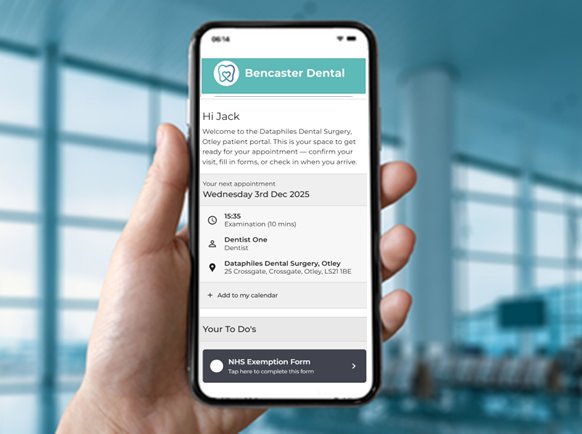
Through a single patient portal, patients are shown:
- What they need to do
- When they need to do it
- What happens next
Instead of instructions scattered across emails or SMS messages, everything lives in one place, presented in a structured, step‑by‑step flow.
This clarity replaces uncertainty with reassurance.
Digital Task Lists Build Confidence
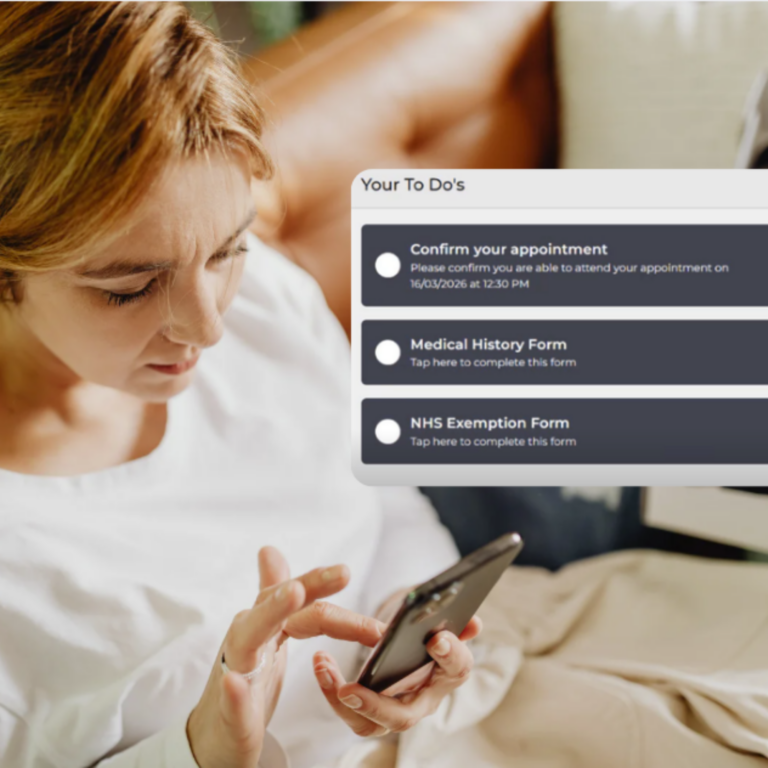
One of the most effective ways to reduce patient anxiety is through digital task lists.
When patients can see a simple checklist of actions—such as confirming their appointment or completing forms—they gain a sense of control. Each completed task is visible, reinforcing that they are prepared and ready for their visit.
This helps patients:
- Feel organised instead of rushed
- Understand what is expected of them
- Reduce last‑minute stress
Confidence grows from knowing nothing has been missed.
Simple Access Reduces Cognitive Load
Ease of access is just as important as clarity.
When patients are asked to create accounts, remember passwords, or navigate unfamiliar systems, anxiety can increase, especially for older patients or those less confident with technology.
A digital journey that avoids these barriers makes a meaningful difference.
With the Patient Bridge Patient Portal:
- Patients access everything through a secure link
- No account creation or login is required
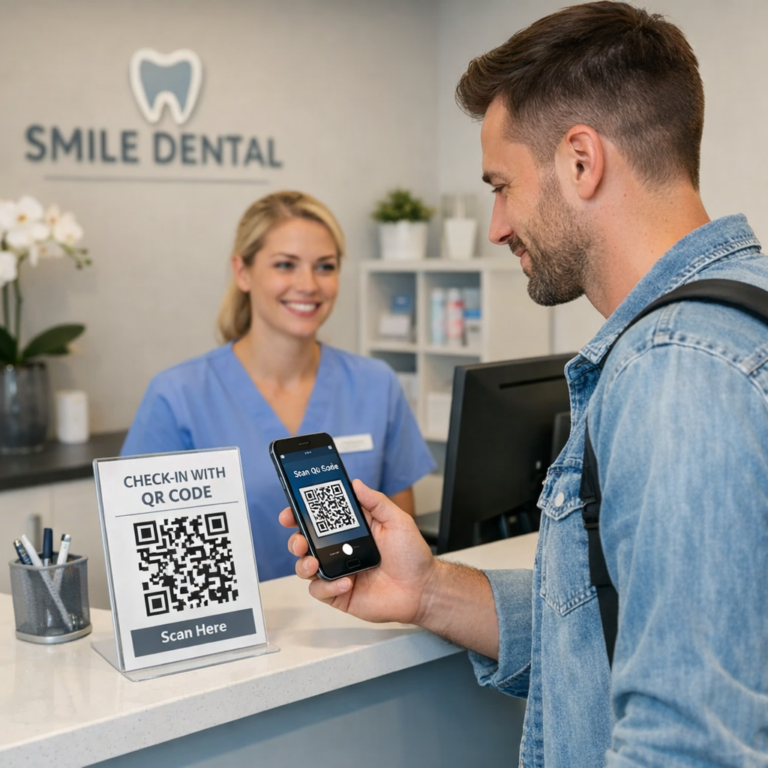
- QR codes offer easy in‑practice access if needed
This friction‑free approach allows patients to focus on their appointment, not the technology.
Privacy and Dignity at Arrival
Arrival is often one of the most intimidating moments for anxious patients.
Standing at a busy reception desk, sharing personal or medical information, or feeling unsure about where to go can heighten stress levels. Clear digital journeys reduce the need for these conversations to happen publicly or at the last minute.
When patients complete tasks ahead of time and know exactly what to do on arrival:
- Interactions at reception are shorter and calmer
- Sensitive details are handled digitally
- Patients feel more at ease and respected
Small changes to the arrival experience can have a disproportionate impact on patient comfort.
Consistency Builds Trust
Anxiety tends to decrease when experiences are predictable.
A unified patient portal creates consistency across every touchpoint:
- The same look and feel from first message to arrival
- The same instructions, presented clearly
- The same journey every time a patient visits
Over time, this familiarity builds trust. Patients know what to expect, and each visit reinforces that confidence.
Supporting Patients with Additional Needs
Clear digital journeys are especially valuable for:
- Patients with dental anxiety
- Patients with additional needs
- Patients attending a practice for the first time
By guiding these patients gently through preparation and arrival, practices can reduce stress and create a more inclusive environment, without adding complexity for staff.
Confidence Before Arrival Leads to Better Visits
When patient anxiety is reduced before the appointment:
- Appointments start on time
- Conversations are calmer and more productive
- Clinical teams can focus on care, not reassurance
- The overall experience improves for everyone involved
A smoother emotional journey translates directly into a smoother operational one.
Clarity Is a Powerful Comfort Tool
Reducing patient anxiety doesn’t require dramatic changes. Often, it starts with clarity.
A clear digital journey, delivered through a single patient portal, helps patients feel informed, prepared, and confident before they arrive. When patients know what to expect and what’s expected of them, anxiety fades and trust grows.
And when patients arrive calmer, practices feel the difference too.
See how the Patient Bridge Patient Portal creates a clear, calm journey from booking to arrival.